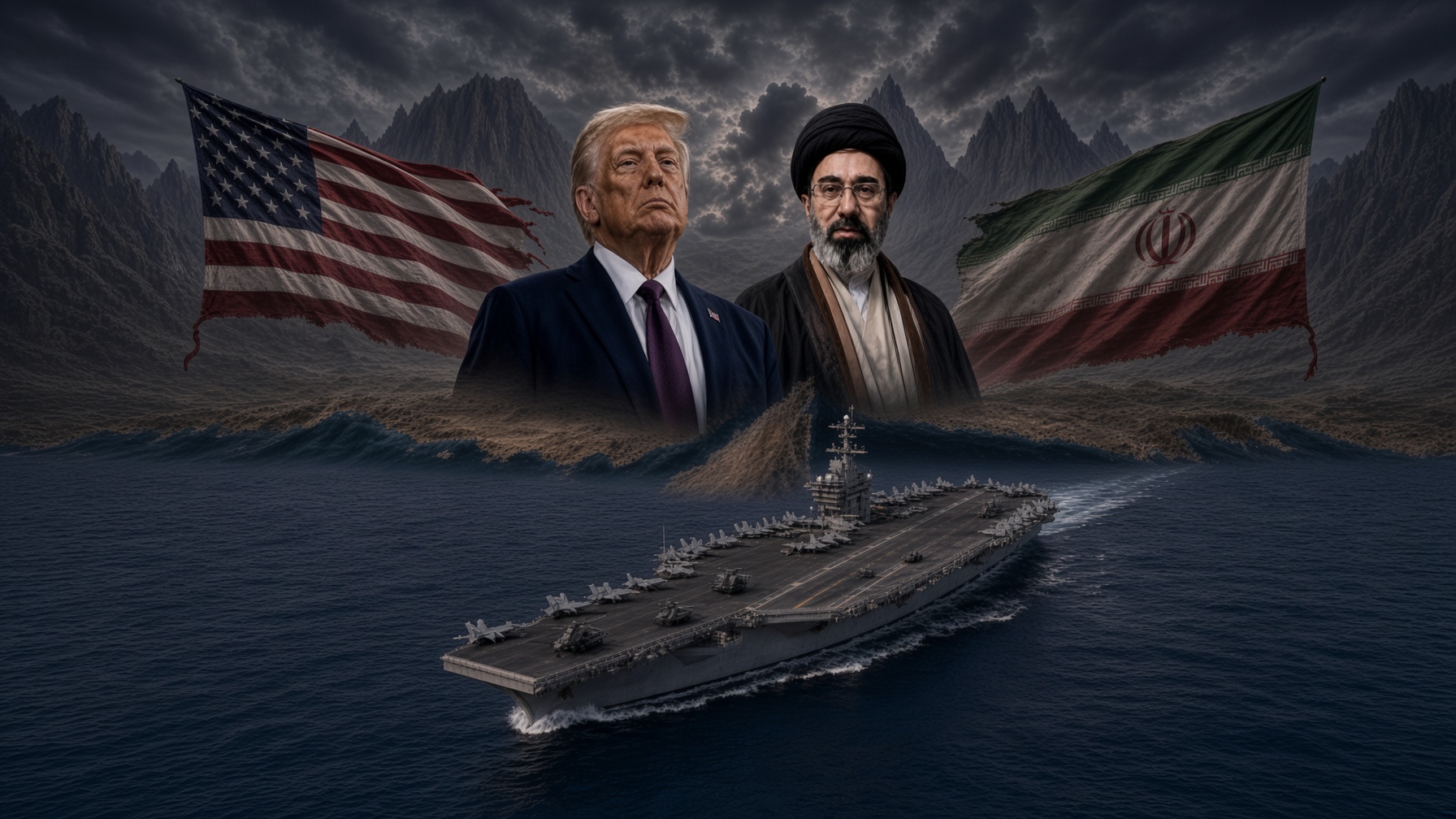
WASHINGTON — A potential agreement aimed at ending the war with Iran remained under intense negotiation as U.S. forces carried out fresh strikes in southern Iran, highlighting the fragile nature of diplomatic efforts and the continuing danger surrounding the strategically vital Strait of Hormuz.
Secretary of State Marco Rubio said negotiators were still working through the details of a preliminary agreement during talks in Qatar. Speaking to reporters in Jaipur, India, Rubio warned that reaching a final understanding could take several more days.
“There were some talks going on in Qatar today,” Rubio said, adding that negotiators were exchanging proposed language and working through unresolved details. He also made clear that Washington was insisting on the reopening of the Strait of Hormuz.
“The straits have to be open,” Rubio said, describing the disruption of the waterway as unlawful, unsustainable and unacceptable.
⚠️ U.S. Forces Launch New Strikes
The diplomatic push unfolded alongside renewed military action.
U.S. Central Command said American forces conducted what it described as “self-defense strikes” in southern Iran on May 25. According to CENTCOM spokesman Capt. Tim Hawkins, the targets included missile launch sites and Iranian boats that U.S. officials said were attempting to place mines.
The strikes reportedly occurred near the strategic port city of Bandar Abbas, home to a major Iranian naval facility. U.S. officials said the operation was intended to protect American forces while maintaining what CENTCOM described as restraint during the cease-fire.
The military action added another layer of uncertainty to negotiations already complicated by the closure of the Strait of Hormuz, a critical route for global energy shipments.
🇶🇦 Talks Continue in Qatar
At the same time, Iranian negotiators were in Doha for discussions involving the Strait of Hormuz, Iran’s enriched-uranium stockpile and potential economic measures, according to reporting on the negotiations.
The talks were aimed at establishing a framework that could stop the fighting and restore commercial shipping through the waterway, while leaving more complicated questions—including Iran’s nuclear program—for additional negotiations.
Iranian officials have disputed some U.S. characterizations of the negotiations and have emphasized that significant issues remain unresolved. Tehran has also continued to deny that its nuclear program is intended to produce nuclear weapons.
☢️ Nuclear Program and Sanctions Remain Key Issues
The nuclear question remains one of the most difficult elements of any potential agreement.
Trump has repeatedly said that preventing Iran from obtaining a nuclear weapon is a central U.S. objective. Negotiators have therefore been discussing restrictions on Iran’s highly enriched uranium and mechanisms that could govern its nuclear activities.
Economic issues are also part of the discussions, including the possibility of sanctions relief or access to frozen Iranian funds. Reports indicate that negotiators were attempting to separate an initial framework for ending the immediate conflict from more complicated long-term provisions.
🚨 Hormuz Could Determine What Comes Next
The Strait of Hormuz has emerged as one of the most important pressure points in the negotiations.
Rubio has insisted that the waterway must reopen, while Iran has demanded changes to U.S. military and economic measures. The competing positions have made the maritime dispute closely linked to the broader negotiations over the war and Iran’s nuclear program.
For now, diplomacy and military operations are continuing at the same time.
The coming days could determine whether Washington and Tehran can transform their preliminary discussions into a broader agreement—or whether continued disagreements over nuclear restrictions, sanctions, maritime security and enforcement push the conflict into another dangerous phase.
The situation remains fluid, and details of any proposed agreement should be verified against official U.S. and Iranian statements and multiple reliable news reports.