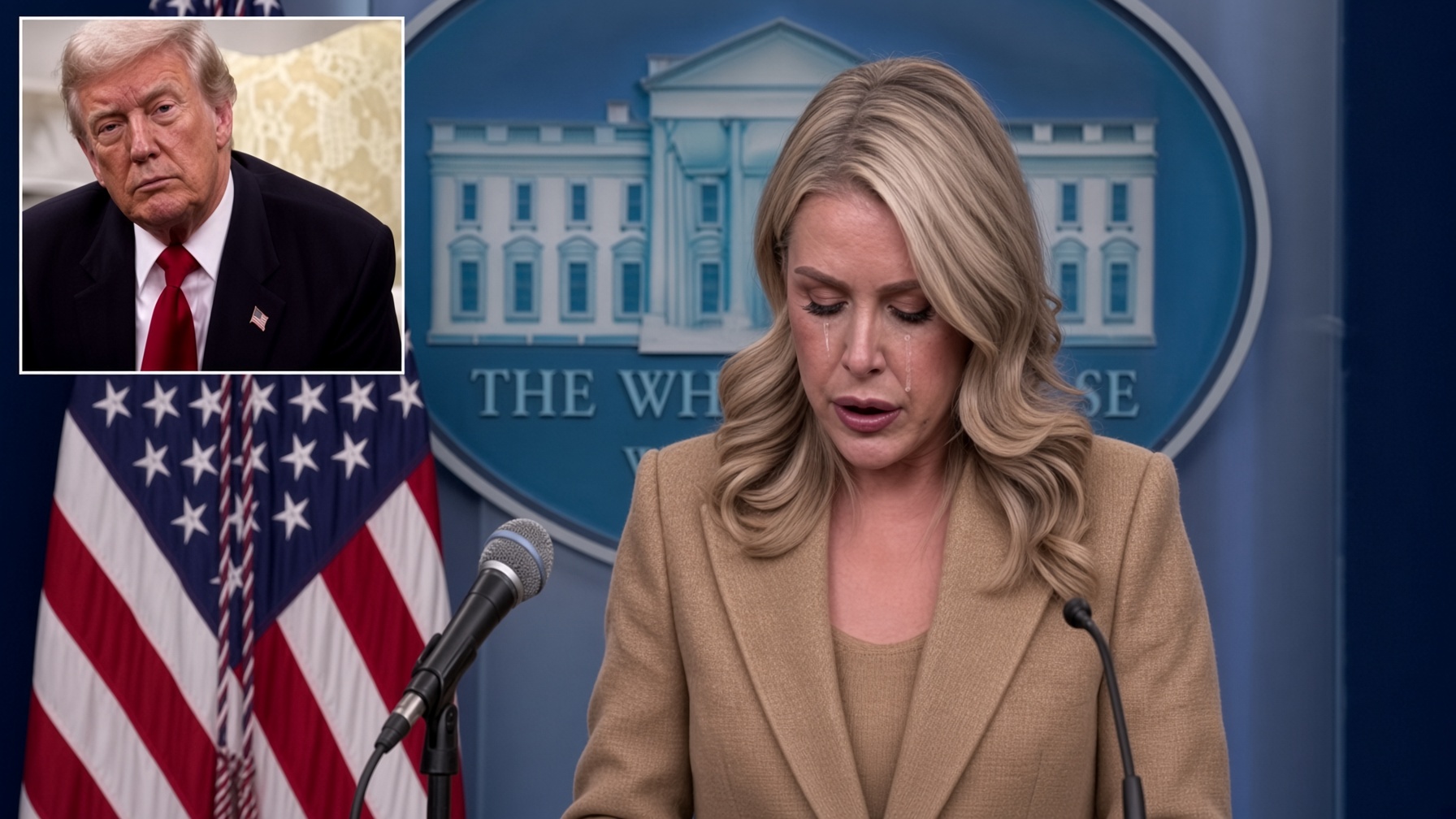
WASHINGTON — White House Press Secretary Karoline Leavitt is defending the Trump administration’s changes to presidential press access, arguing that the new approach is intended to expand opportunities for journalists rather than restrict coverage of President Donald Trump.
During an Axios event with co-founder Mike Allen, Leavitt addressed questions about the administration’s decision to take a larger role in determining which news organizations participate in limited-access presidential press pools. She rejected the characterization that the changes amount to restrictions, saying the goal is to provide access to a broader range of outlets and journalists.
📰 Leavitt Challenges Traditional Press-Pool System
Leavitt specifically questioned why a single news organization should retain a regular position in the small pool that travels with the president.
The 13-member travel pool is used when space is limited, including aboard Air Force One, while other presidential events can involve larger pools. Historically, the White House Correspondents’ Association has played a central role in determining which journalists rotate through these assignments.
Leavitt argued that the media landscape has changed significantly and that newer digital outlets, independent journalists, podcasters and other nontraditional organizations should have opportunities to participate.
The administration began opening additional opportunities to independent journalists and digital creators early in Trump’s second term, including seats in the White House briefing room for newer media voices.
⚖️ Dispute Over Associated Press Access
The debate has also been closely connected to the administration’s dispute with the Associated Press.
The White House moved in 2025 to take control of selecting outlets for the press pool, a responsibility traditionally handled by the White House Correspondents’ Association. The change followed a dispute involving AP and the administration’s decision to restrict the wire service’s access to certain presidential events.
The AP challenged the restrictions in federal court. A federal judge later ruled that the administration could not treat AP worse than similarly situated news organizations, while also noting that AP did not have an absolute right to permanent access to every limited-space presidential event.
AP has argued that its role in the presidential press pool is important because its reporting and photography are distributed widely to news organizations around the world. AP photographer Evan Vucci also testified about the impact of losing access to certain presidential events.
🎙️ White House and Press Corps Clash Over Independence
The dispute has raised broader questions about how access to the president should be administered.
The White House has argued that expanding participation can give more organizations an opportunity to cover the administration. Critics, including representatives of the White House Correspondents’ Association, have raised concerns about allowing the government itself to determine which journalists receive limited-access assignments.
That disagreement reflects a fundamental tension between two competing priorities: expanding access to newer and nontraditional media organizations while maintaining an independent system for determining which journalists cover the presidency.
📊 Biden Comparison Also Draws Attention
The discussion also referenced differences in presidential media engagement.
An Axios analysis published in July 2024, using data from presidential scholar Martha Joynt Kumar, counted 164 interviews and press conferences for Joe Biden and 468 for Donald Trump by June 30 of the fourth year of their respective presidencies. The same analysis noted that the figures measure formal interviews and press conferences and therefore do not capture every interaction either president had with reporters.
The comparison has become part of the broader debate over presidential transparency and media access.
🔎 A Changing White House Media Landscape
The conflict comes as the way Americans consume political news continues to evolve.
Traditional newspapers, television networks and wire services now operate alongside podcasts, streaming platforms, independent websites and social-media creators. The Trump administration has emphasized these newer forms of media as part of its broader communications strategy.
For now, the dispute over White House press access remains unresolved. The administration says its changes are designed to broaden participation, while press organizations continue to raise questions about independence and government involvement in determining access.
The debate is likely to continue as the White House reshapes how journalists cover the president and how the public receives information from inside the executive branch.