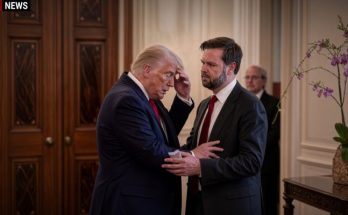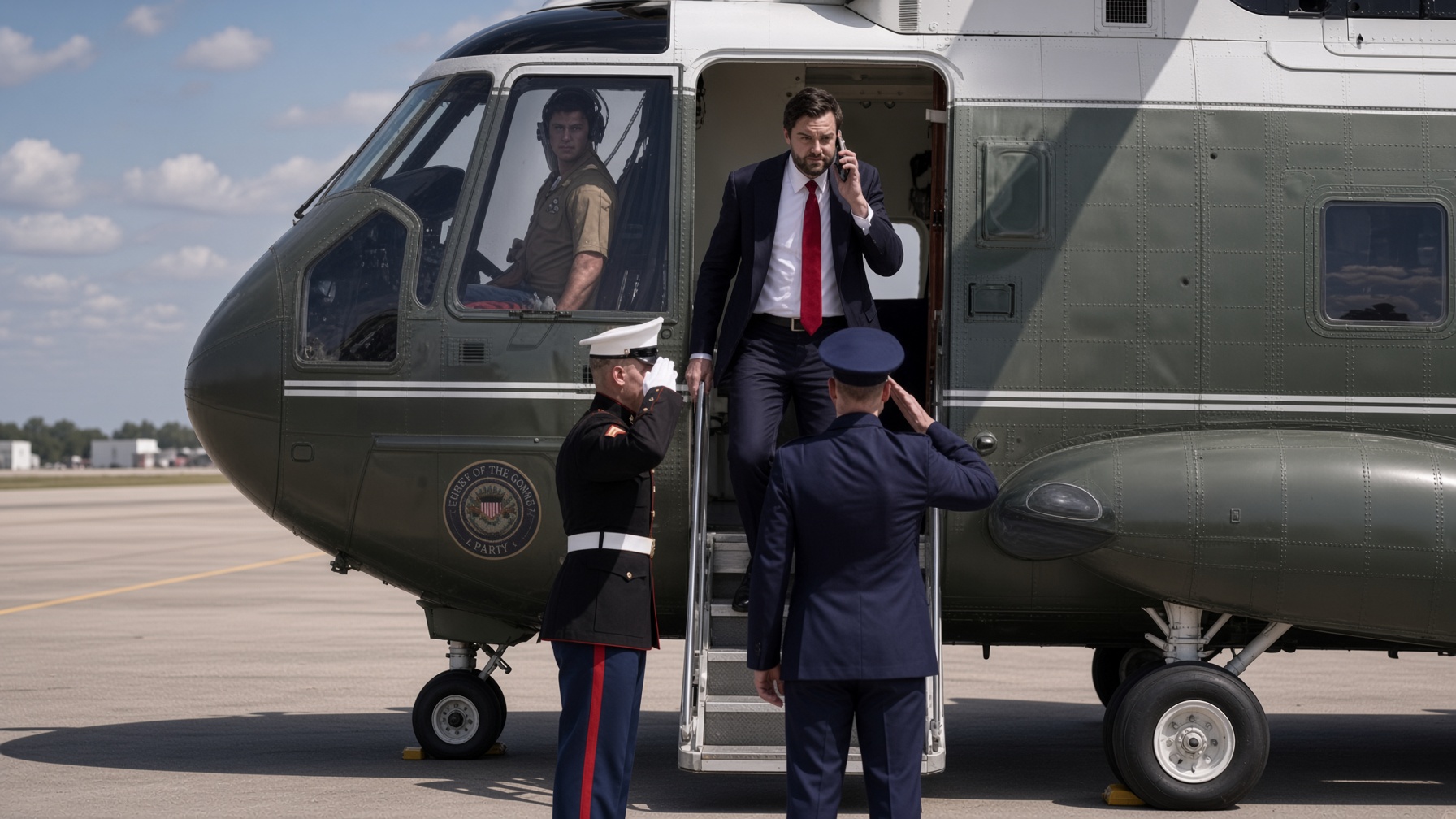
WASHINGTON — Vice President JD Vance was unexpectedly summoned back to the White House on Tuesday, abruptly interrupting plans for him to fly to Islamabad and lead a high-level U.S. negotiating team in talks aimed at de-escalating the conflict with Iran.
Vance had been scheduled to board a government aircraft for Pakistan’s capital, where American officials were preparing for discussions on the rapidly shifting situation in the Middle East. His sudden return came as uncertainty mounted over whether Iranian representatives would even attend the planned negotiations.
The development immediately raised questions about the status and direction of the diplomatic effort. While the precise reason for the recall was not immediately disclosed, the timing suggested the administration was reassessing its approach as officials tried to determine whether meaningful talks with Tehran could still take place.
The potential meetings in Islamabad had drawn close attention because any direct or indirect engagement between the United States and Iran could carry major implications for efforts to prevent further escalation. Vance’s planned participation would have signaled a high-level commitment from Washington to exploring possible off-ramps.
Instead, his unexpected return introduced another layer of uncertainty into an already complicated process.
**Uncertain Path Toward Negotiations**
Iran’s participation remained the central unresolved issue as U.S. officials evaluated next steps. Without clear confirmation that Iranian representatives would attend, the prospects for substantive negotiations stayed murky.
Vance’s intended role underscored the importance the administration appeared to place on the diplomatic track. As vice president, his presence would have elevated the talks and demonstrated Washington’s investment in reducing tensions. His recall has now left that signal in doubt.
The episode also highlights the broader difficulties facing international efforts to manage tensions involving Iran. Negotiations in this environment often hinge on rapidly changing military, political, and diplomatic circumstances. Decisions can shift quickly as new information arrives.
For Washington, the challenge remains delicate: keep lines of communication open while protecting U.S. interests and accounting for the real possibility that talks could collapse before producing results. Officials must weigh any diplomatic opening against security concerns and the risk of wasted political capital.
As the administration reviews its options, attention will stay fixed on three questions: whether talks in Islamabad proceed at all, whether Iran ultimately agrees to participate, and what role the United States will play in any future round.
For now, Vance’s recall to Washington has left the diplomatic effort facing renewed uncertainty at a critical moment. The White House has not announced a revised timeline or an alternative venue. Allies and regional partners will be watching closely for the next signal from both capitals.
The coming days are likely to determine whether this interruption is a temporary pause or a more significant shift in strategy.