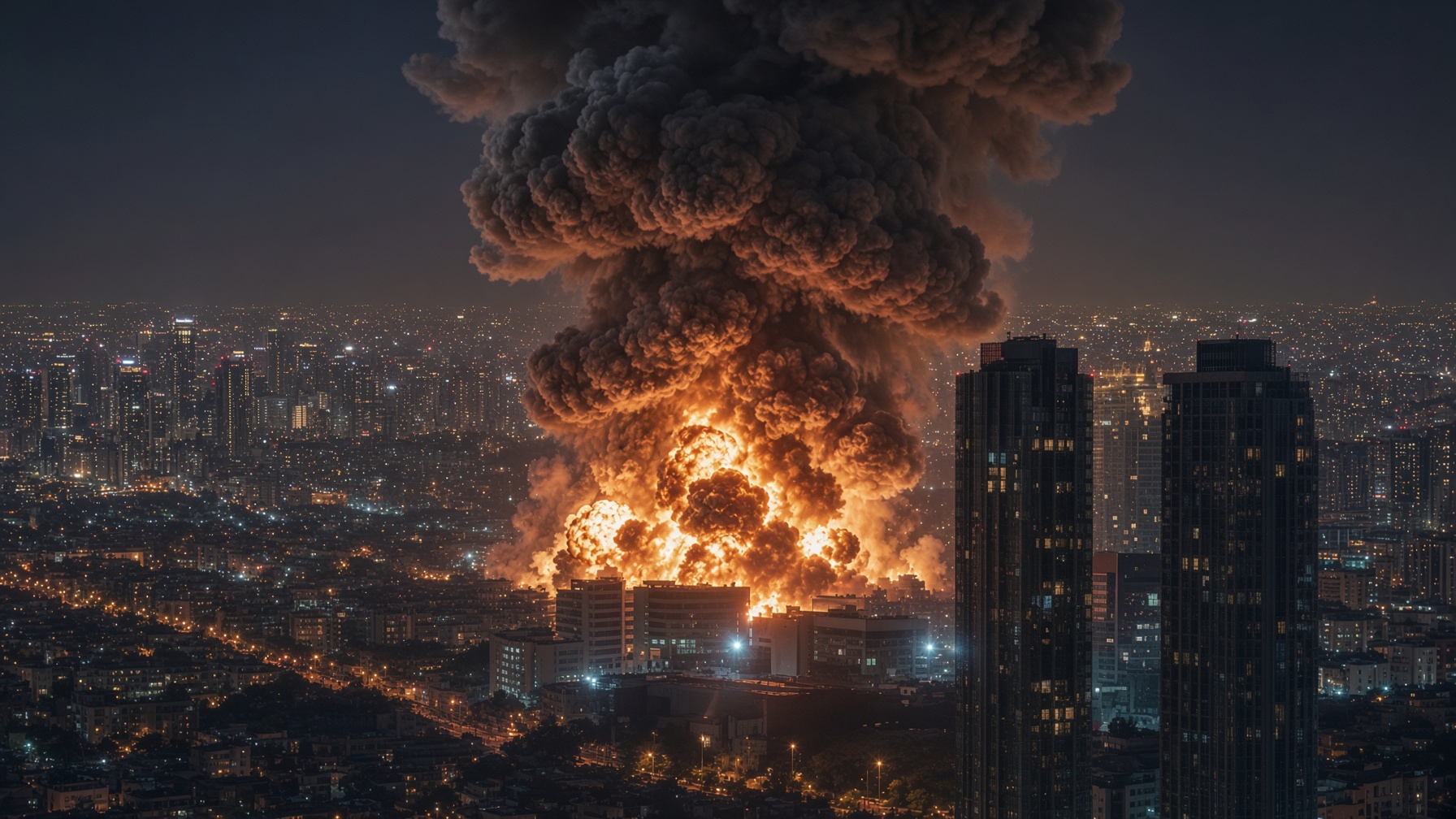
KYIV, Ukraine — Russia launched another overnight drone assault on Ukraine, Ukrainian officials said Wednesday, adding to a campaign that continues to hit homes, transport and energy sites even as air defenses intercept most incoming targets.
Ukraine’s Air Force said Russian forces launched 80 drones of various types on the night of Sept. 16, including Shahed-style attack drones, Gerber models and decoy aircraft. Launches were recorded from directions including Oryol, Kursk and Millerovo in Russia, and from occupied Crimea. By 8 a.m., air defenses had shot down or suppressed 63 drones. Strikes were recorded at seven locations; debris from downed aircraft fell at two more. Officials said some drones remained in the air as assessments continued.
Those overnight numbers sit on top of a broader 24-hour toll. Local authorities reported at least nine people killed and 36 injured across Ukraine over the past day. In Dnipropetrovsk Oblast, a drone struck a passenger bus in the Nikopol district, killing five people at the scene and injuring others, according to regional officials. In Kyiv Oblast, drones damaged sites in several districts. Earlier this week, larger waves — including a 200-drone attack on the night of Sept. 14–15 — hit gas stations and other facilities in the capital.
Emergency crews were sent to explosion sites to put out fires, clear wreckage and treat the wounded. Residents were told to stay in shelters during alerts and to follow local instructions. Officials warned that further attacks were possible.
Unverified claims about Zelenskyy
Alongside confirmed strike reports, social media posts again alleged that a Russian strike had hit a secure location and killed President Volodymyr Zelenskyy, with some claiming Ukrainian media had covered the incident.
No official Ukrainian statement supports that allegation. No independently verified report from a major international news organization has established it either. Similar “Zelenskyy killed” rumors have circulated before and have been repeatedly debunked; the president has continued to appear in public and issue statements after those earlier waves.
Claims that a sitting head of state has been killed require confirmation from official authorities and multiple independent outlets. Dramatic language, unnamed sources and recycled footage are common features of wartime rumor. They are not evidence.
Two wars at once
Ukraine is fighting a physical campaign of drones and missiles and an information campaign that tries to outrun the facts. The first produces damaged buildings, interrupted power and civilian deaths that can be documented. The second produces posts that look like news before anything has been confirmed.
For now, the verified picture is this: Russia continues to launch large drone packages against Ukrainian cities and infrastructure; air defenses stop most but not all of them; civilians are still being killed on roads, at fuel stations and in residential areas; and rumors of Zelenskyy’s death remain unproven.
Until Kyiv or multiple reputable news organizations say otherwise, those rumors should not be treated as fact. Readers following the war are better served by official tallies and established reporting than by posts that announce a leader’s death before anyone in a position to know has confirmed it.