WASHINGTON — The Supreme Court on June 23 ruled 6-3 that federal judges may not invent new private lawsuits for alleged violations of international law, ending a long-running case against Cisco Systems over claims it aided Chinese persecution of Falun Gong practitioners.
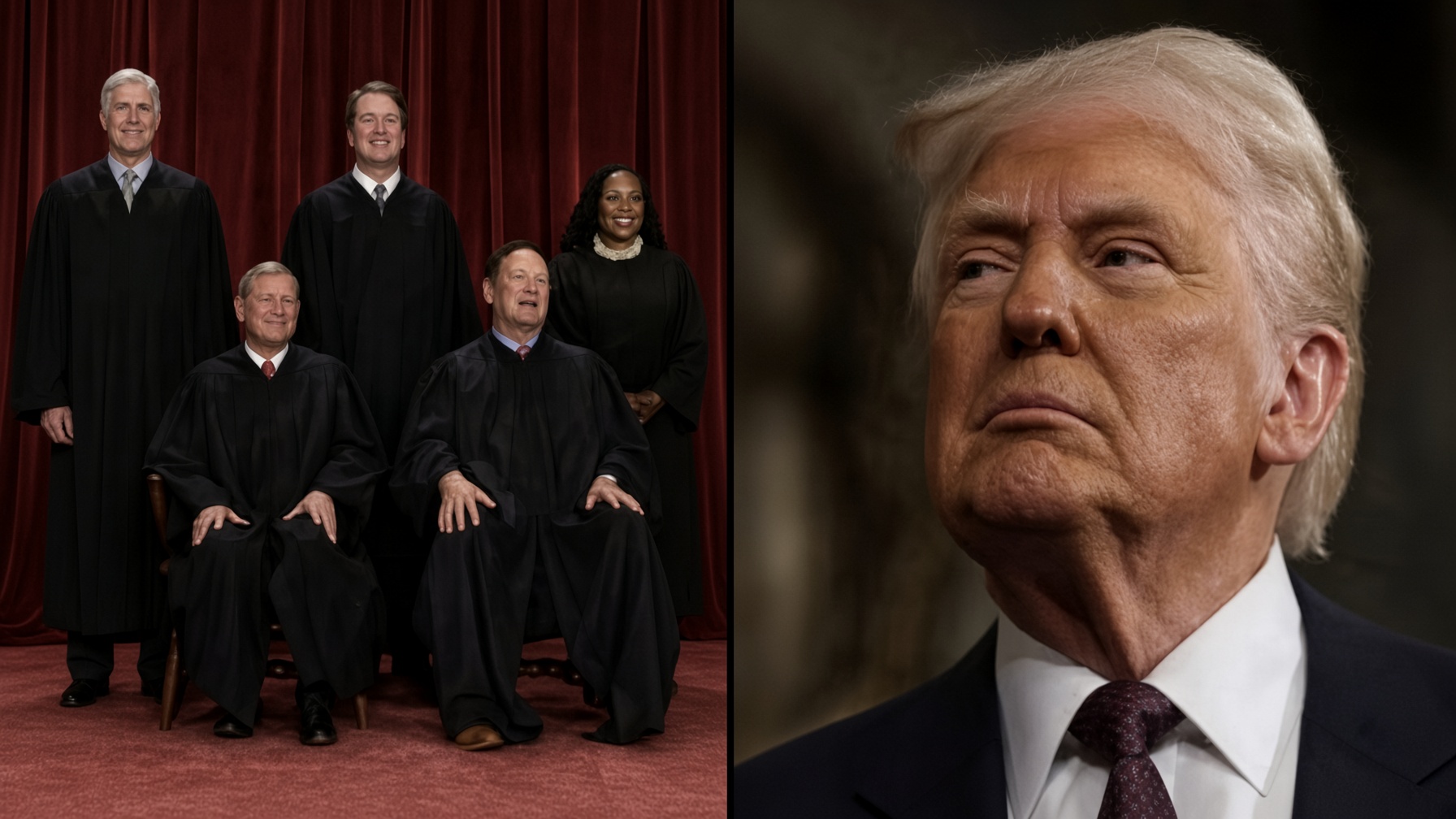
Justice Amy Coney Barrett, writing for the majority in *Cisco Systems, Inc. v. Doe*, No. 24-856, held that the Alien Tort Statute of 1789 is a grant of jurisdiction only. It does not authorize courts to create new causes of action. The Court also held that the Torture Victim Protection Act of 1991 does not impose civil liability for aiding and abetting. Chief Justice John Roberts and Justices Clarence Thomas, Samuel Alito, Neil Gorsuch, and Brett Kavanaugh joined the opinion. The Ninth Circuit was reversed.
“Today, we close the door that *Sosa* cracked and hold that courts may not create new causes of action for violations of international norms,” Barrett wrote, referring to the Court’s 2004 decision in *Sosa v. Alvarez-Machain*. “We also hold that the Torture Victim Protection Act of 1991, which contains an express cause of action, does not provide for aiding-and-abetting liability.” She added that creating a cause of action “is an extraordinary act that places great stress on the separation of powers,” and that judicially invented liability risks “adverse foreign policy consequences.”
The plaintiffs, unnamed Falun Gong practitioners, alleged that Cisco and its executives enabled Chinese government persecution by selling networking equipment used in surveillance, including technology tied to the Golden Shield system. They sued in 2011 under the ATS and, as to two executives, the TVPA. A district court dismissed the claims. The Ninth Circuit revived them, holding that both statutes allow aiding-and-abetting theories. The Supreme Court disagreed. Cisco has denied that its products were customized to facilitate repression. The Trump administration supported the company’s position; the solicitor general argued that such suits pull courts into foreign policy.
Barrett emphasized that Congress, not the judiciary, creates private rights of action, and that the political branches—not courts—conduct foreign relations. Because courts cannot invent ATS liability, she wrote, there is necessarily no ATS liability for aiding and abetting. On the TVPA, the majority said Congress imposes aiding-and-abetting liability when it intends to do so, and the statute’s silence is decisive. The Court acknowledged that ATS and TVPA cases “frequently involve heinous and inhumane acts,” but said redress belongs to Congress, the executive, or other international actors.
Justice Ketanji Brown Jackson, joined by Justice Elena Kagan, concurred in part and dissented in part. She agreed the ATS should be narrowed but argued the TVPA’s text could reach some aiding-and-abetting claims. Justice Sonia Sotomayor dissented more broadly, joined in key parts by Kagan and Jackson. She said the majority “jettisons two decades of settled precedent,” “forecloses future reliance on *Sosa*,” and “shuts the courthouse doors to almost any claimed violation of international law under the ATS.” On the TVPA she wrote that the statute’s text includes those who aid and abet torture.
The ruling is the latest in a line of decisions limiting human-rights litigation in U.S. courts over conduct abroad. Corporate defendants and trade groups have long argued that ATS suits imposed unpredictable costs and invited forum-shopping. Human-rights lawyers say victims of overseas abuses now have fewer paths in American courts and must look to Congress, other statutes, or foreign forums. For Cisco, the decision ends litigation pending since 2011. For other U.S. firms selling technology or equipment overseas, it sharply narrows the risk of judge-made international-law claims.