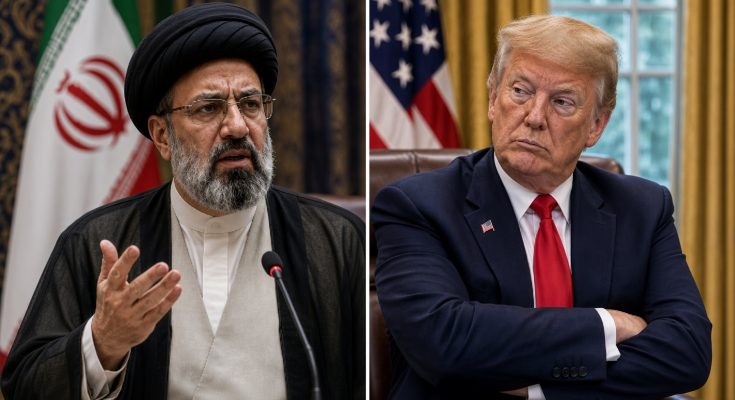
WASHINGTON — Secretary of State Marco Rubio has reaffirmed that restoring unimpeded commercial transit through the Strait of Hormuz remains a foundational, non-negotiable objective for the United States, as the administration navigates delicate backchannel diplomacy alongside calibrated military operations against Tehran.
The strategic maritime chokepoint—linking the Persian Gulf to the Gulf of Oman and carrying roughly a fifth of global petroleum supply—remains paralyzed. Tanker traffic has plunged to a fraction of baseline volume, triggering persistent volatility across international energy markets. The prolonged standoff has also rattled regional infrastructure; Qatari officials warned that sustained maritime delays threaten supply chains for the country’s massive liquefied natural gas expansion projects.
Rubio underscored that Washington will not tolerate unilateral Iranian control over international waters, linking maritime security directly to ongoing nuclear negotiations.
Core Tenets of the Emerging Roadmap
Negotiating teams meeting through intermediaries in Qatar and Oman are attempting to bridge operational gaps left unresolved by an initial June memorandum of understanding:
-
Freedom of Navigation: Unconditional reopening of the waterway to international commercial tankers and container ships, backed by third-party verification.
-
Nuclear Stockpile Curbs: Binding restrictions requiring Tehran to cap uranium enrichment, dismantle or blend down high-purity stockpiles, and accept enhanced international inspections.
-
Blockade and Sanctions Relief: In exchange, Washington would terminate active naval blockade operations around Iranian ports and introduce phased relief from targeted economic sanctions.
While an interim framework established broad political parameters in June, technical disagreements over maritime checkpoints, naval oversight, and sequencing have prolonged the standoff through late summer.
Deterrence Collides With Diplomacy
The diplomatic track continues against a backdrop of military friction. U.S. Central Command confirmed earlier precision “self-defense strikes” targeting launch batteries and fast-attack vessels near Bandar Abbas, Iran’s primary naval headquarters. CENTCOM spokesperson Capt. Tim Hawkins stated the operations targeted assets preparing to deploy naval mines into commercial transit lanes.
While the White House characterized the actions as targeted measures to protect U.S. personnel and maintain the broader ceasefire architecture, Tehran disputed the rationale, illustrating the precariousness of parallel military and diplomatic tracks. Defense analysts note that commercial shipping companies will decline to resume regular Gulf sailings until tangible security guarantees eliminate the threat of missile launches and naval mines.
The structural impasse remains deep: Washington insists that nuclear caps and unimpeded sea lanes must materialize concurrently with enforceable compliance mechanisms. In contrast, Tehran demands immediate, front-loaded relief from U.S. financial sanctions and a formal end to naval interdictions before conceding operational oversight of the waterway.
With commercial transit remaining severely depressed, the narrow Strait of Hormuz continues to serve as both the primary economic leverage point and the most combustible flashpoint in U.S.–Iran relations. Rubio reiterated that until navigation is secured, American naval assets will maintain defensive postures to protect commercial transit corridors.