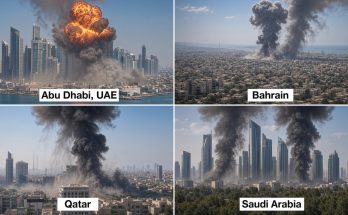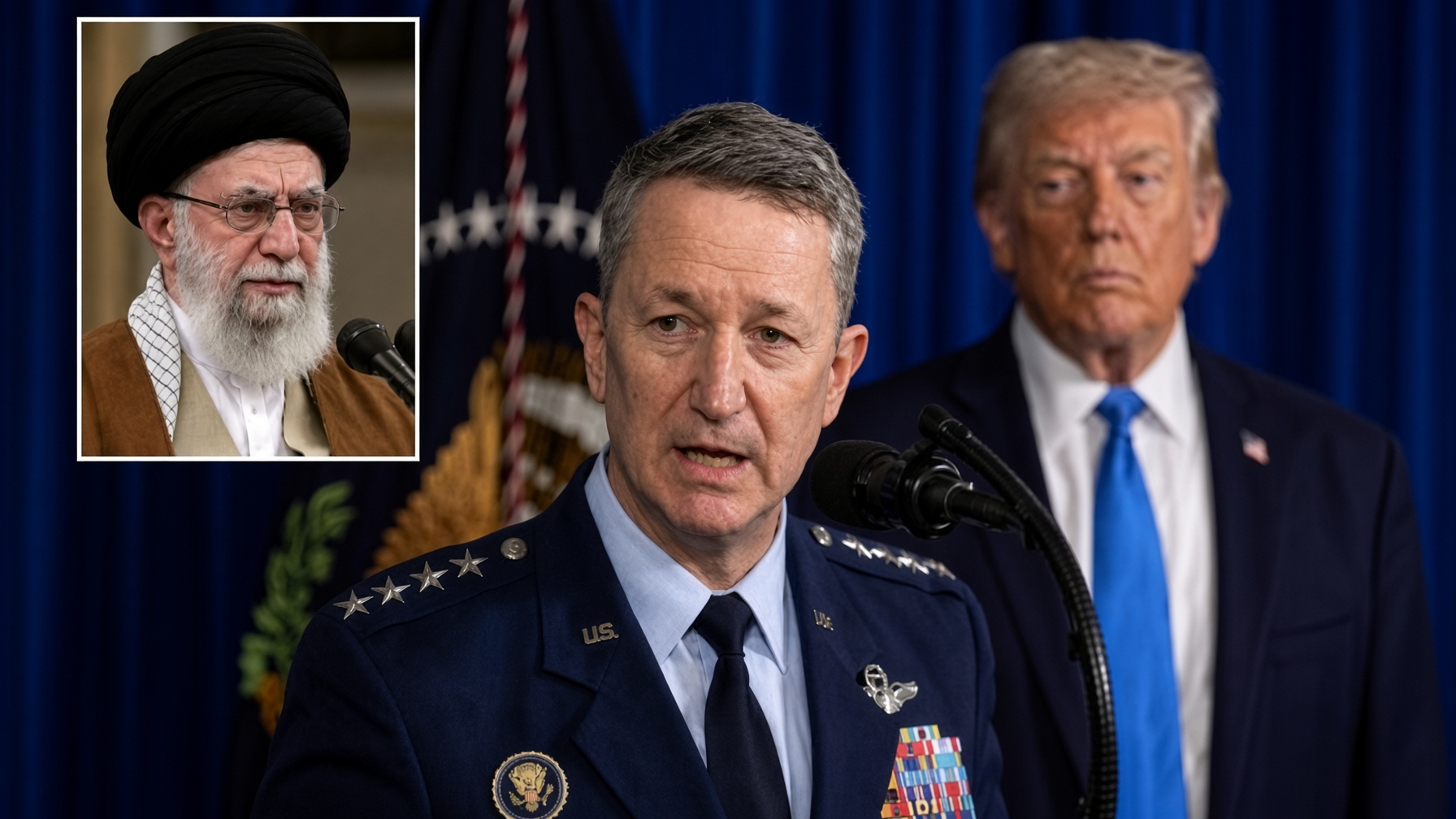
TAMPA, Fla. — U.S. Central Command said Iran’s Islamic Revolutionary Guard Corps launched multiple ballistic missiles from Iranian territory at 5:45 p.m. Eastern on July 28, 2026, in what it called an attempted surprise attack on American forces in the Middle East. Every missile was intercepted. No U.S. personnel were reported harmed. CENTCOM said forces remained at a high state of readiness.
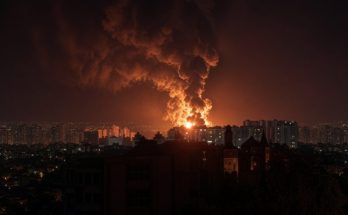
The same evening, the command announced a second operation. U.S. and Saudi fighter aircraft struck what it described as IRGC-directed terrorist logistics and weapons sites across eastern Iraq. CENTCOM said the raids answered more than 30 drone attacks in the previous 72 hours against U.S. forces and Saudi energy infrastructure, and that those drone attacks had failed. The command added that from February through April 2026, Iran-aligned militias in Iraq had attempted more than 600 attacks on U.S. citizens and facilities. It warned that further attacks would bring a further U.S. military response.
Saudi Arabia confirmed its role. The Defense Ministry said the strikes were coordinated with the United States and framed them as self-defense after drones launched from Iraqi territory targeted oil facilities in the kingdom’s Eastern Province. Officials in Riyadh said they were not seeking a wider war, but would answer attacks on Saudi territory. Iraqi militia factions under the Popular Mobilization Forces later said personnel were killed and facilities damaged. CENTCOM did not publish a full target list or battle-damage assessment.
The two statements — interception, then joint strikes — compressed a pattern that has defined the wider 2026 conflict. Iran has used ballistic missiles from its own soil against U.S. and partner sites, while IRGC-aligned groups in Iraq have used drones and rockets against American bases and Gulf energy infrastructure. Eastern Iraq, especially along the Iranian border in Diyala and Wasit, has long served as a logistics corridor for those groups. The July 28 package treated the missile salvo and the drone campaign as one problem: intercept the inbound weapons, then hit the network that launches them.
The Saudi participation was unusual in public. Riyadh has hosted U.S. aircraft and shared air-defense data for years. Flying strike missions with American jets against IRGC-linked sites inside Iraq is a sharper step. It signals that attacks on Saudi energy infrastructure are now being answered as military problems, not only as diplomatic ones.
CENTCOM did not name the missile types, the number fired, or the interceptors used. Follow-on U.S. strikes inside Iran were announced the next night against IRGC command centers, missile and drone facilities, and coastal sites. The July 28 sequence itself was simpler: missiles launched, missiles stopped, proxy infrastructure struck, and a public warning that the next attack would not be the last word.