**⚖️ Trump Election Case Ends Without a Verdict, Immunity Ruling Stands**
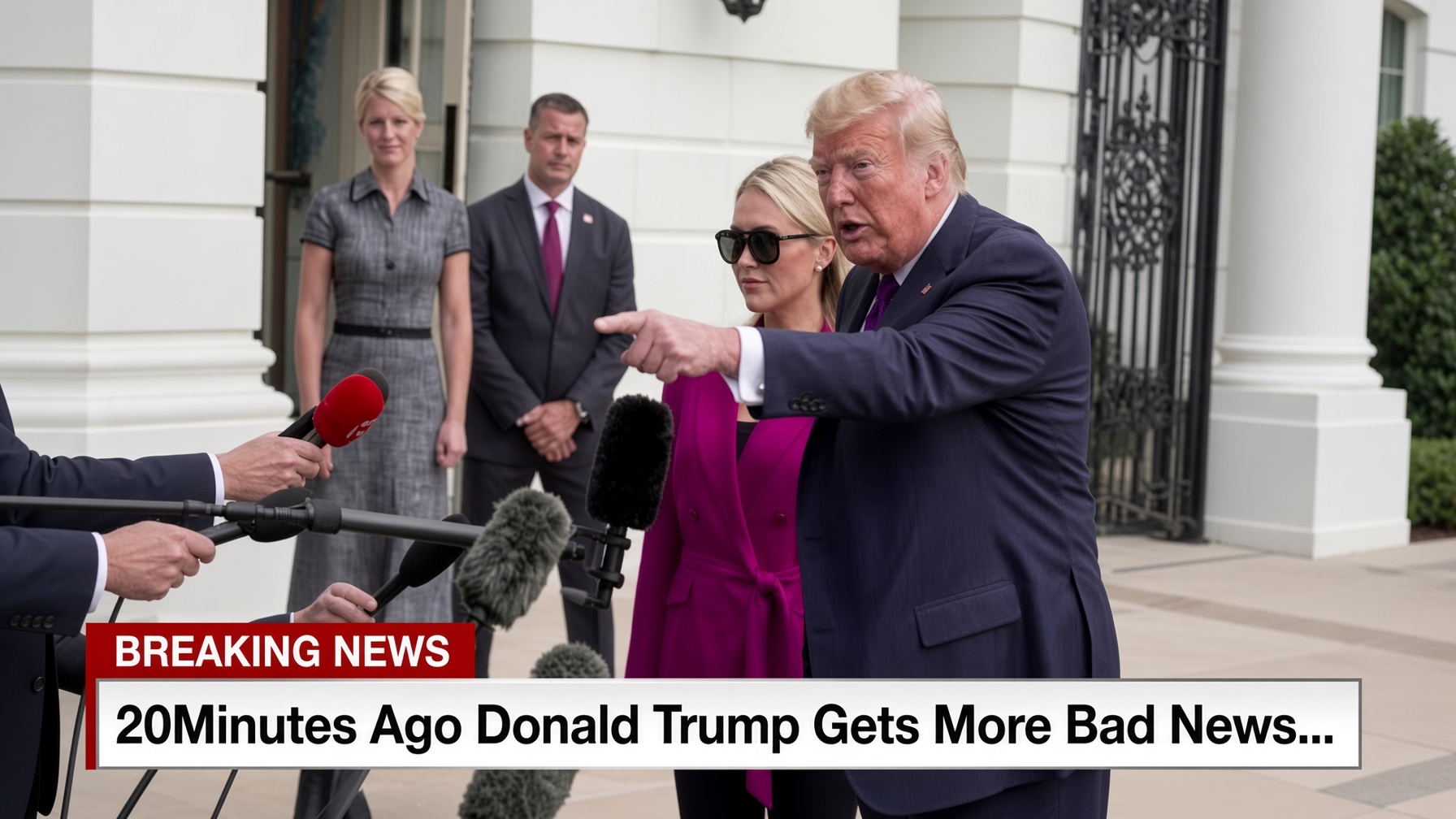
WASHINGTON — The federal case that once aimed to test whether a former president could be tried for trying to overturn an election never reached a jury. Special Counsel Jack Smith charged Donald Trump in August 2023 with four felonies tied to the 2020 vote. Prosecutors said he conspired to defraud the United States, obstruct Congress’s Jan. 6 certification, and strip voters of their ballots. Trump pleaded not guilty and called the case a political attack on speech and executive power. The charges were dropped after he won the 2024 election. The legal map they left behind is still in force.
Smith’s indictment described a months-long effort after Election Day: pressure on state officials, slates of unauthorized electors in battleground states, and an attempt to get Vice President Mike Pence to reject certified votes. Courts had already rejected dozens of campaign lawsuits. Election officials said there was no fraud on a scale that would change the result. Trump’s lawyers said his challenges were protected advocacy and a president’s duty to question the count. Because there was no trial, those claims stayed allegations. He kept the presumption of innocence.
The fight moved upstairs. Trump argued that former presidents have absolute immunity for official acts. In July 2024, the Supreme Court agreed in part. In *Trump v. United States*, the majority said core constitutional duties carry absolute immunity, other official acts carry a presumption of immunity, and private conduct does not. Lower courts then had to sort White House business from campaign work. Smith answered in August 2024 with a superseding indictment that kept the four statutes but cut allegations built on communications inside the executive branch. The new theory treated Trump as a candidate, not as a president giving official orders.
Politics closed the rest. Justice Department policy, rooted in Office of Legal Counsel opinions, says a sitting president cannot be prosecuted because the office has to function. After the November 2024 election, Smith moved on Nov. 25, 2024, to dismiss the election case. Judge Tanya Chutkan granted the motion without prejudice, leaving open the possibility of a later filing after the term ends. Smith wrote that the decision was not a judgment on the evidence. In January 2025 the Justice Department released his final report, which laid out the record and the timing problem.
No verdict settled guilt or innocence. The lasting product is the immunity doctrine. Future prosecutors who want to charge a former president must first survive a detailed official-act analysis. The case also showed how an election can stop a federal trial before a jury is seated. Criminal law, the transfer of power, and the scope of the presidency met in one file. The Court drew the line. The ballot ended the calendar.