PLYMOUTH, Mass. — On the sixth day of deliberations in Lindsay Clancy’s murder trial, a jury note turned a deadlock into a fight over whether one juror could be removed. Judge William Sullivan said no.
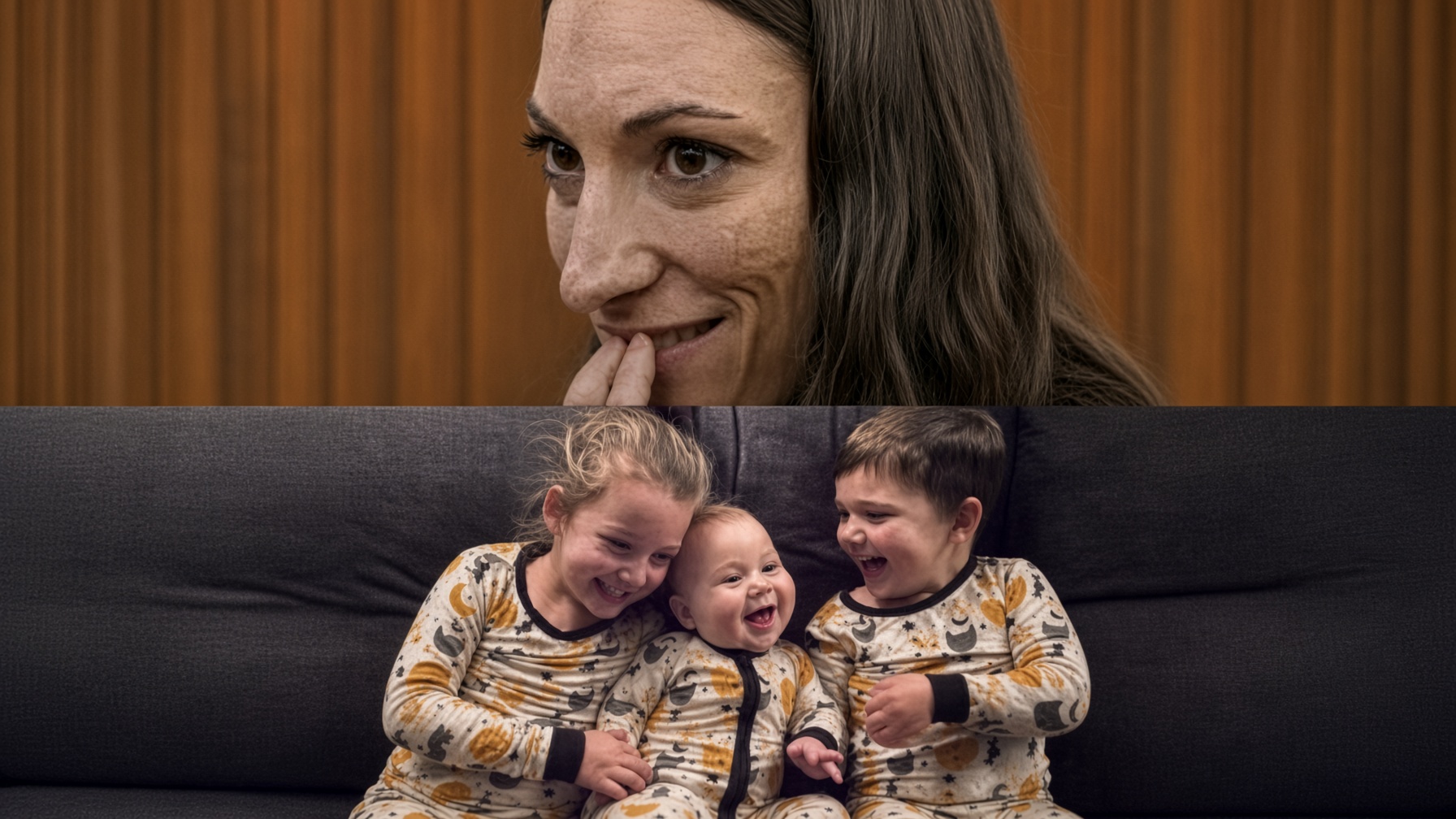
Clancy, 36, is charged with killing her three children — Cora, 5, Dawson, 3, and Callan, 8 months — in their Duxbury home in January 2023. She has not denied the acts. The defense argued she was not criminally responsible because of severe mental illness, including postpartum psychosis. Prosecutors said the killings were deliberate. After a five-week trial, the panel of nine women and three men had already told the court twice that it could not agree. Thursday was the third day of that impasse. By midafternoon, after about 35 hours of talks, the foreperson sent another note. Defense lawyer Kevin Reddington said it described an 11-1 split and accused the lone juror of refusing to follow the judge’s reasonable-doubt instruction. The court did not publish the jurors’ actual votes that day.
Sullivan called the 12 jurors in one by one and questioned them under oath at sidebar. The livestream did not carry the audio. Clancy was wheeled to the bench. After the individual interviews, the judge brought the full jury back and repeated the law: they must follow his instructions; the defendant is presumed innocent; the Commonwealth has the burden of proof. He sent them out again.
Reddington then asked the judge to excuse the holdout and seat an alternate. This was not, he said, a juror who merely read the evidence differently. “My motion is to remove this juror that refuses to listen to your instruction on reasonable doubt.” Prosecutor Jennifer Sprague objected. She said the note did not let the court decide who was right without invading the jury room. “There’s no way to determine what the deliberations are, who’s correct, who’s incorrect, and nor should we attempt to.”
Sullivan sided with that caution. “I don’t feel that it is proper for me to side with one side or the other of the deliberations. I don’t feel it’s appropriate for me to say I agree with one juror or the 11.” He would not treat being outnumbered as cause for removal. Reddington said he expected a further inquiry Friday.
That inquiry did not produce a verdict. On Friday, Sept. 4, after more than 38 hours, the jury again said it could not agree. Reddington sought emergency relief from the Supreme Judicial Court to force more questioning of the holdout. The request was denied. Sullivan declared a mistrial and continued the case to Sept. 29. Afterward, Reddington told reporters he believed the split had been 11-1 for acquittal by reason of insanity. Some jurors later said the holdout acknowledged reasonable doubt but would not vote to acquit. The court never adopted that description as an official finding. A retrial decision remains with prosecutors.