MANAMA, Bahrain — A rapid military escalation between the United States and Iran has pushed the Persian Gulf into an acute security crisis, paralyzing global shipping lanes, propelling Brent crude past $100 per barrel, and placing Gulf Cooperation Council (GCC) monarchies on high combat alert.
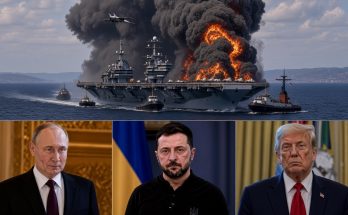
The Strait of Hormuz—the vital chokepoint handling nearly 20% of global petroleum transit—has devolved into an active war zone. Commercial vessel movements have fractured amid an onslaught of drone strikes, limpet-mine sabotage, and attempted naval seizures. Maritime tracking data confirms security incidents peaked at historic levels this month, with at least twelve verified hostile encounters recorded within a seven-day window.
On October 6, daily transits through the narrow corridor plunged to just seven vessels. The disruption pulled crude flows down to approximately 10.1 million barrels per day—a steep 26% decline from pre-crisis baselines. While regional operators have attempted to divert supplies via overland pipelines, prohibitive war-risk insurance premiums and carrier suspensions have crippled supply chains, rattling worldwide markets.
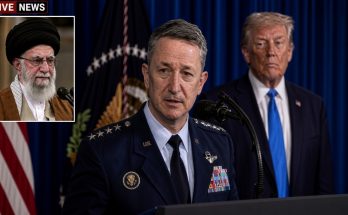
In response, U.S. Central Command (CENTCOM), commanding over 50,000 personnel throughout the theater, initiated a coordinated air and naval campaign. Coalition strikes targeted Iranian coastal radar arrays, command installations, loitering-munition depots, and mobile anti-ship missile sites. Washington maintains the operation is critical to preserving freedom of navigation; Tehran, however, has countered with asymmetric swarm tactics that directly threaten Gulf nations hosting Western forces.
For GCC leaders, housing forward-deployed American assets has transformed from a security guarantee into an urgent defense liability:
-
United Arab Emirates: Al Dhafra Air Base, central to Western airborne reconnaissance and strike coordination, faces repeated saturation attempts by low-altitude drones and ballistic missiles designed to overwhelm integrated THAAD and Patriot missile defense networks.
-
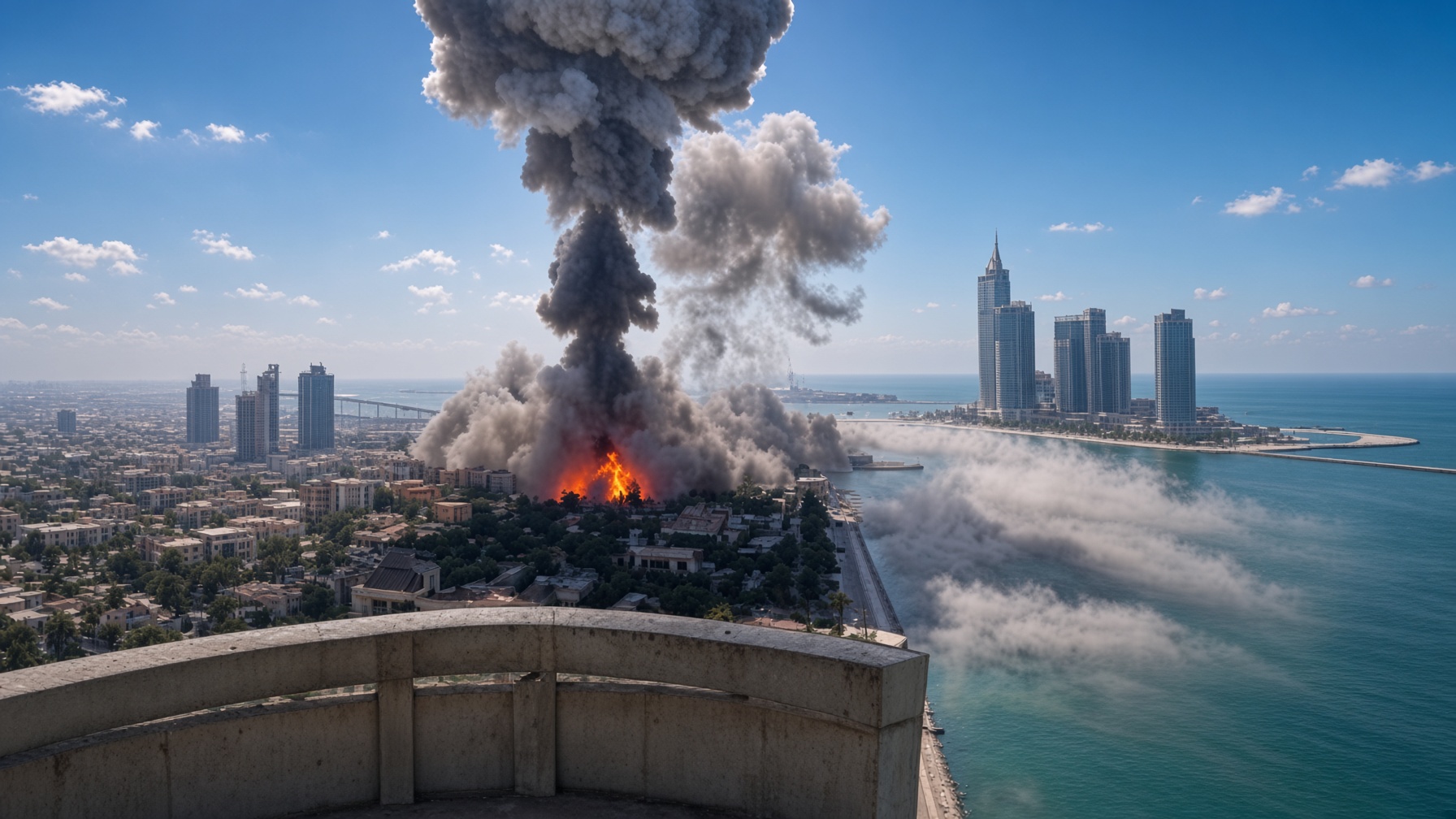
Bahrain: Accommodating the U.S. Navy’s Fifth Fleet headquarters, the island kingdom contends with severe geographic exposure. Densely populated urban centers, vital power grids, and critical desalination facilities sit within range of direct strikes and falling interceptor shrapnel.
-
Qatar: Al Udeid Air Base functions as the forward regional headquarters for CENTCOM air operations. Any operational compromise threatens coalition command-and-control, placing Doha under immense pressure to defend its massive offshore liquefied natural gas export platforms.
-
Kuwait: Given its proximity to contested northern Gulf waters, Kuwait faces recurrent proxy drone incursions and cross-border missile paths that stretch its early-warning infrastructure.
The disruption reaches far beyond military sectors. Flagship carriers based in Dubai, Doha, and Abu Dhabi have diverted long-haul flight paths away from regional conflict corridors, driving up fuel burn and extending travel times. Major container terminals across the lower Gulf report compounding cargo logjams as global shipping conglomerates pause regional operations.
Navigating a perilous crossfire, Gulf capitals are balancing intensive air defense coordination with urgent de-escalation diplomacy—aiming to uphold critical security partnerships without igniting a full-scale regional conflict that could upend their economies.