WASHINGTON — The Trump administration is still negotiating with Iran even as U.S. forces keep hitting Iranian military targets, leaving any settlement hanging between diplomacy and the next exchange of fire.
Secretary of State Marco Rubio said this week that American envoys, including Steve Witkoff and Jared Kushner, have tried to restart talks on the sidelines of the U.N. gathering in New York. The agenda has not narrowed. Officials are still arguing over a cease-fire, uranium enrichment, sanctions, security guarantees, and the Strait of Hormuz. Rubio told reporters the waterway “has to be open” and that no country may charge tolls on an international passage. He has also said the core U.S. demand is unchanged: Iran cannot have a nuclear weapon.
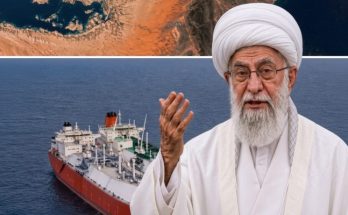
Hormuz is the hinge. It links the Persian Gulf to the Gulf of Oman and, in peacetime, carries a large share of the world’s seaborne oil. The war changed that. Iran has tried to police or block the strait. The United States has escorted ships, cleared mines, and kept a southern lane nearer Oman in use. CENTCOM has said those efforts helped hundreds of commercial vessels pass. Even so, tracked traffic remains a fraction of the prewar flow. Reuters reported only a handful of commodity ships crossing on some September days. A late-September analysis put the seven-day average near three vessels a day, against dozens a year earlier. Tanker movement has been especially thin. Attacks on ships continued into this month.
That gap between a political promise to reopen the strait and the ships that actually sail is why Gulf allies treat the talks as unfinished business. Rubio has told partners any accord will not come “at any price” and will not undercut their security. Washington rejects Iranian talk of “service fees” for transit. Tehran has not dropped the idea.
The nuclear file is just as stuck. The United States wants limits on enrichment and inspections that last. Iran wants sanctions relief and access to frozen funds. Iranian Foreign Ministry spokesman Esmaeil Baqaei has said the two sides have understandings on some points and deep disagreements on others. He has also said Tehran thinks Washington keeps moving the goal posts. U.S. officials reject that description. A June memorandum sketched a cease-fire and a path to further talks. Implementation has been uneven. Both sides still accuse the other of violating the pause.
CENTCOM presents its strikes as defense of U.S. troops and commercial shipping — missile sites, drone facilities, coastal radars, and maritime assets. Iran calls those same raids cease-fire breaches and says they poison the talks. Diplomats are therefore writing language for a framework while the military clock keeps running.
No final agreement has been announced. Rubio’s public line is that more time is needed on the wording. Iranian officials say there has been movement, not a settlement. Until enrichment, sanctions, and a reliably open Hormuz are written the same way in both capitals, talks and strikes will keep traveling together.