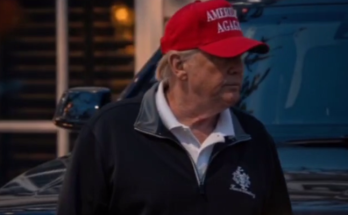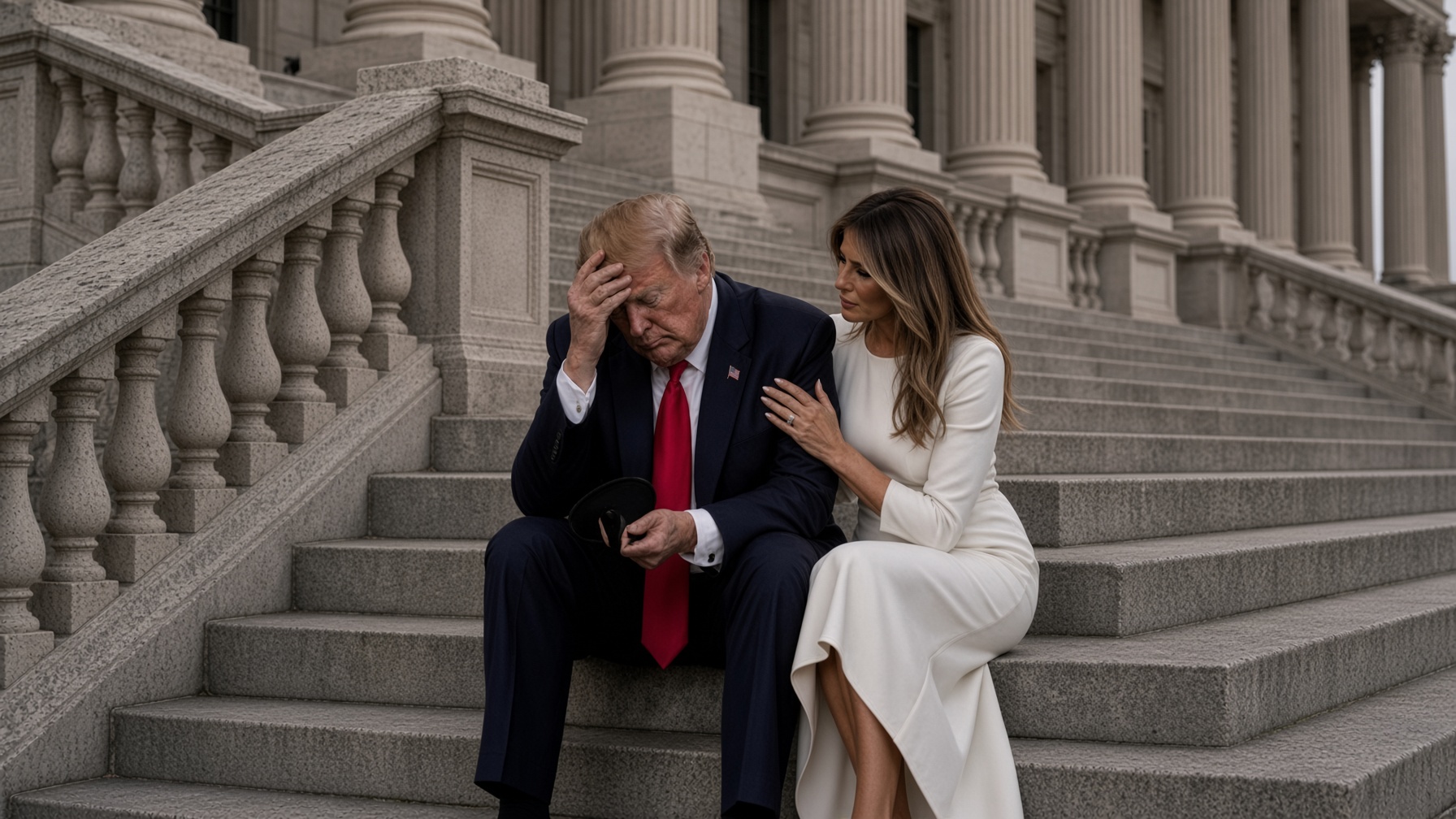
WASHINGTON — In a capital city long accustomed to the theater of political combat, blaring motorcades, and round-the-clock television chyrons, silence often resonates more deeply than the fiercest rhetoric. For Donald Trump—a figure whose decades-long political dominance has been defined by non-stop spectacle and aggressive public confrontation—a rare moment of quiet offers an uncommon pivot from daily battle to long-term historical reckoning.
Absent the signature campaign chants, rally podiums, and rapid-fire press statements, Washington witnessed an unusual stillness. The scene served as a stark contrast to the relentless momentum that has propelled Trump’s career, underscoring the widening gulf between the fury of real-time political brawls and the durable assessments of history.
A Decade Defined by Institutional Turbulence
For nearly a decade, Trump has exerted an unprecedented influence over the American landscape. He fundamentally realigned the Republican Party, shattered conventional campaigning norms, and locked the White House, federal agencies, and national media into a constant cycle of crisis and response.
Throughout that span, institutional friction was the norm rather than the exception. Trump became the first American chief executive to be impeached twice and the first to face multiple post-presidency criminal indictments. Yet where conventional political playbooks dictated retreat or contrition, Trump relied on perpetual offensive motion. Legal challenges were framed as political persecution, criticism was countered with escalating rhetoric, and setbacks were cast as temporary hurdles. This relentless posture preserved his singular grip on national politics, defying repeated predictions that his sway would wane.
From Cable Chyrons to the Archival Record
Yet no amount of political velocity can outrun the passage of time. As day-to-day headlines fade into the National Archives, executive actions, courtroom filings, and stump speeches inevitably shift from tactical maneuvers to historical case studies.
Trump’s systemic impact on governance is already deep and indelible:
-
The Federal Bench: A decisive, generational reshaping of the federal judiciary, crowned by a conservative Supreme Court majority.
-
Party Realignment: The total transformation of the GOP from traditional establishment conservatism to an America First, populist vehicle.
-
Constitutional Tension: Heightened, precedent-testing conflicts over the limits of executive power, immigration enforcement, international trade compacts, and civil-military boundaries.
While supporters champion these moves as an overdue dismantling of entrenched Washington orthodoxy, critics argue they strained democratic norms and tested institutional guardrails to the brink.
The Inevitable Verdict of Time
While modern political journalism focuses heavily on immediate barometers—daily polling, fundraising hauls, and fleeting news cycles—a presidency is rarely judged by the metrics of the moment. Instead, historical judgment operates on a glacial timetable, measured by the resilience of the institutions left behind, subsequent judicial rulings, and the enduring consequences borne by everyday citizens.
Every administration is fundamentally temporary, yielding eventually to constitutional limits and the continuation of governance under new stewards. For a leader whose hallmark has been absolute visibility and relentless combat, the transition from driving the narrative to enduring the verdict of history represents a different kind of test. Power commands the present, but time determines its meaning.