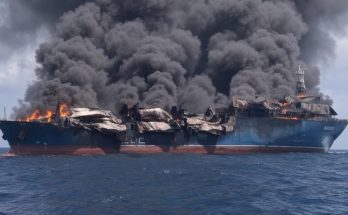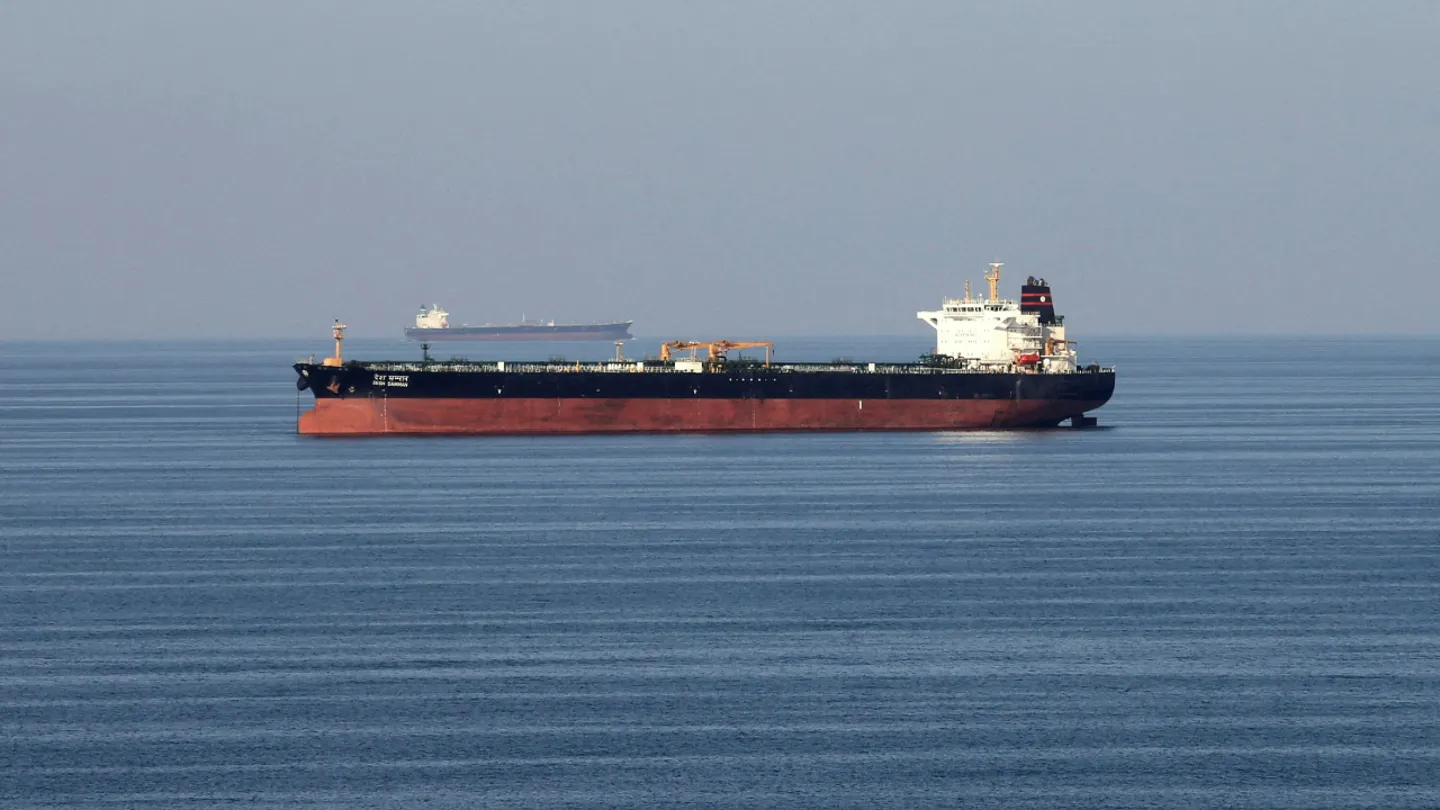
WASHINGTON — Diplomatic off-ramps between Washington and Tehran are narrowing rapidly as the Trump administration intensifies a multi-pronged pressure campaign across the Strait of Hormuz, combining targeted military strikes, secondary sanctions, and aggressive maritime enforcement.
The vital waterway—handling nearly 20% of global petroleum transit—has become the epicenter of the crisis. A cycle of direct kinetic confrontations between U.S. forces and Iranian units has chilled commercial shipping traffic, dropping daily maritime transit volumes through the corridor to levels not seen since May.
Chokepoint Gridlock Roils Global Crude
The precipitous drop in tanker passage follows months of sharp maritime posturing along the Persian Gulf littoral. While U.S. and allied naval groups continue efforts to ensure freedom of navigation under international law, Tehran has leaned heavily on coastal batteries, fast-attack boats, and mine-laying capabilities to turn the waterway into a high-stakes geopolitical pressure point.
The fallout is rippling through worldwide trade routes:
-
Surging Insurance Costs: Skyrocketing war-risk premiums have forced shipping conglomerates to hold vessels at anchor.
-
Costly Reroutes: Major operators are bypassing the corridor entirely, sending carriers on protracted, expensive journeys around Africa’s Cape of Good Hope.
-
Market Volatility: Global crude benchmarks continue to swing wildly amid fears that a single tactical mistake in the crowded channel could spark a severe supply shock.
Nuclear Talks Stall Amid Economic Squeeze
Backchannel initiatives mediated by regional intermediaries, including Omani diplomats, have managed limited progress on localized escort rules and safe-transit channels for commercial vessels. However, overarching bilateral negotiations remain deadlocked.
U.S. Energy Secretary Chris Wright confirmed that broader discussions concerning Tehran’s enriched uranium stockpile and atomic infrastructure have effectively halted. Wright indicated that Washington is unlikely to finalize a renewed nuclear accord under current posture, emphasizing the administration’s demand for sweeping rollbacks of both nuclear research and regional proxy funding before granting sanctions relief.
Parallel to the naval presence, the U.S. Treasury’s enforcement mechanism has tightened around Tehran’s critical revenue streams. Coordinated surveillance and maritime interdictions of illicit “shadow fleet” vessels have taken a direct toll: independent tanker-tracking metrics indicate Iran has gone roughly seven straight weeks without moving substantial crude volumes through the strait. The resulting revenue drop has accelerated currency depreciation, domestic inflation, and severe shortages of imported industrial materials inside Iran.
A Fragile Buffer Against Escalation
On the water, deterrence remains precariously balanced. Targeted American precision strikes on Iranian command hubs and coastal surveillance posts have drawn asymmetric retaliation, including drone launches, ballistic salvos, and the harassment of commercial vessels across the Gulf of Oman.
With neither capital inclined to make unilateral concessions, the boundary separating localized friction from open conflict rests largely on fragile, uncoordinated restraint. Until a credible diplomatic breakthrough addresses the core flashpoints—Iran’s nuclear capacity, sweeping U.S. sanctions, and navigation security—the Strait of Hormuz remains a powder keg with direct leverage over the world economy.