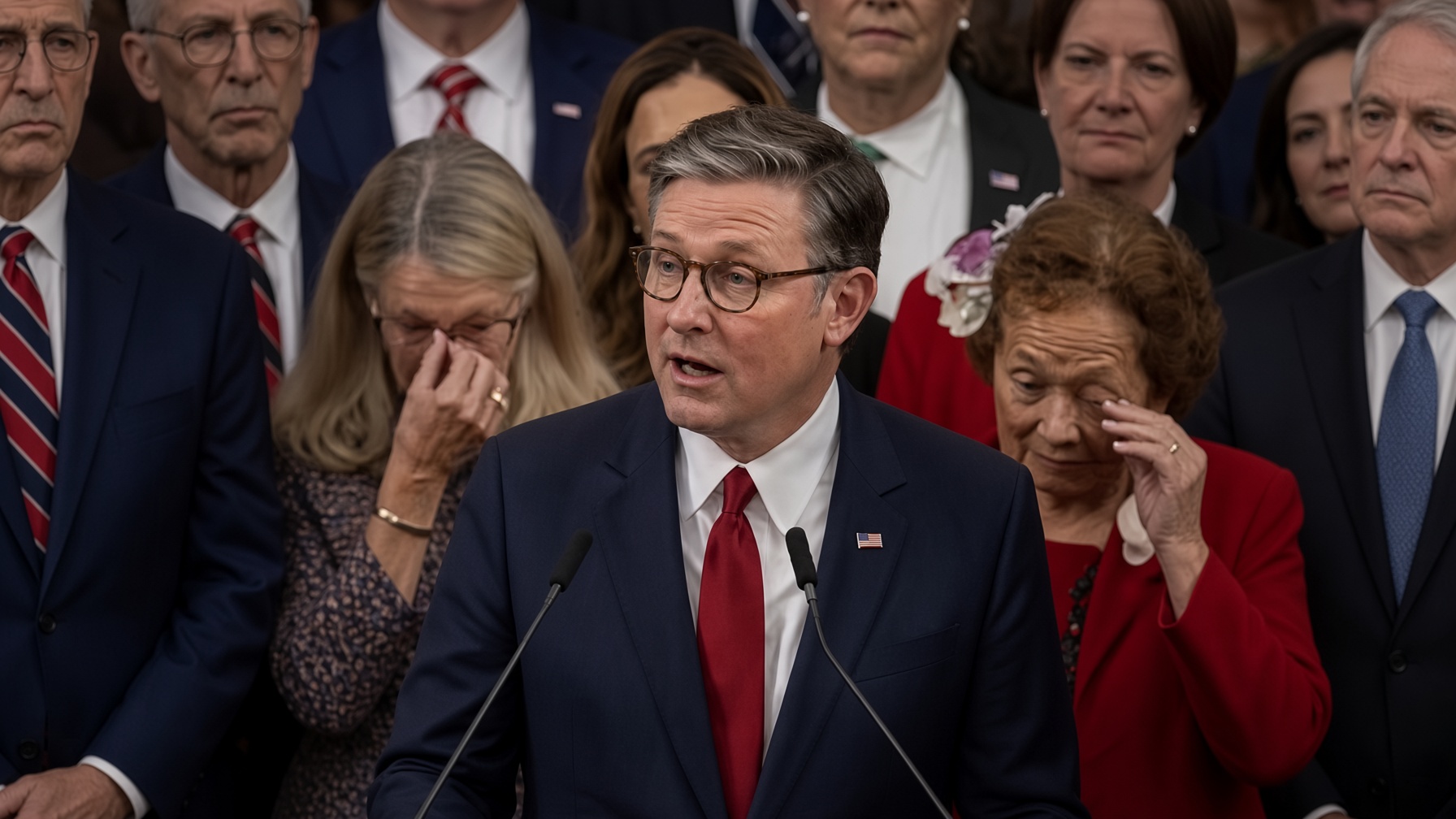
WASHINGTON — The House of Representatives has passed legislation aimed at preventing potentially fraudulent or improper federal payments before taxpayer money is distributed, opening the next stage of a congressional debate over how aggressively the government should intervene when payment systems flag possible problems.
The Stopping Fraudulent Payments Act (H.R. 8464) passed the House on June 10 by a vote of 218-200 and was subsequently received in the Senate. The measure was introduced by House Oversight and Government Reform Chairman James Comer (R-Ky.), with Jodey Arrington (R-Texas) among its original cosponsors.
🚨 Moving From “Pay and Chase” to Prevention
The legislation would amend federal law to authorize agencies to pause and segment certain payments when there is an elevated risk of fraud or when a payment is likely to be improper.
Supporters describe the measure as an effort to change the traditional approach of issuing payments first and attempting to recover improper funds afterward. The House Oversight Committee said the legislation would give federal agencies and Treasury additional tools to address payment risks before money leaves the government.
Comer has argued that stronger safeguards are needed to ensure federal payments reach the correct recipients and are made in the correct amounts.
💰 GAO Reports $186 Billion in Improper Payments
The legislation comes as the Government Accountability Office reports that federal agencies estimated approximately $186 billion in improper payments during fiscal year 2025, an increase of about $24 billion from the previous year.
GAO said roughly $153 billion, or about 82%, involved overpayments. The agency also estimated cumulative improper-payment totals at approximately $3 trillion since fiscal year 2003, while warning that the reported figures do not capture the full extent of improper payments across government.
⚠️ Democrats Raise Concerns Over Payment Delays
The legislation has also drawn opposition from Democrats, who argued during House debate that the bill could give the Treasury Department broad authority to delay legitimate federal payments.
Critics raised concerns about potential effects on benefits, grants and other federal funding if payments were flagged under broadly defined fraud-risk standards. The Congressional Record shows Democrats argued that additional safeguards would be needed to prevent legitimate recipients from facing unwarranted delays.
🏛️ Senate Becomes the Next Test
The House measure now moves to the Senate, where a separate Stopping Fraudulent Payments Act, S. 4747, was introduced by Sen. Joni Ernst (R-Iowa) on June 10 and referred to the Senate Homeland Security and Governmental Affairs Committee.
The next stage will determine whether Congress can reach agreement on how federal agencies should balance fraud prevention with timely delivery of legitimate payments.